
Asturias is a fantastic destination for anyone who loves travelling with their dog. With dramatic mountains, traditional villages, lush green forests and a coastline shaped by rugged cliffs and wild beaches, this region of northern Spain offers countless opportunities to explore the outdoors together.
Whether you prefer peaceful countryside walks, coastal trails or mountain adventures, you can plan a trip that allows your four-legged companion to join you on many of your experiences.
However, not every trail, beach or attraction allows dogs. The key is to choose activities suited to your dog’s fitness level, check access rules in advance and plan each day without too much driving.
In this guide, you’ll discover how to prepare for a trip to Asturias with your dog, which areas to explore and what to consider before setting off.
Why Visit Asturias with Your Dog?
Asturias is particularly appealing if you enjoy outdoor holidays, away from large crowds and with the freedom to explore at your own pace.
Here are some of the main reasons to choose this region:
- Mountain scenery: Explore the surroundings of the Picos de Europa and discover valleys, forests and villages surrounded by nature.
- Coastal walks: Follow paths along the coast, admire dramatic cliffs and discover hidden corners of the Cantabrian coastline.
- Traditional villages: Wander through picturesque settlements and stop for a break at a dog-friendly outdoor café.
- Outdoor activities: Choose walks and excursions suited to your dog’s stamina and temperament.
- A variety of accommodation: Find rural cottages, apartments and other places that welcome pets.
Keep in mind that a region being considered pet-friendly doesn’t mean every business or attraction allows animals. Always check the specific conditions for each place you plan to visit.
The Best Places to Explore with Your Dog
1. Picos de Europa: Mountain Scenery and Rural Walks
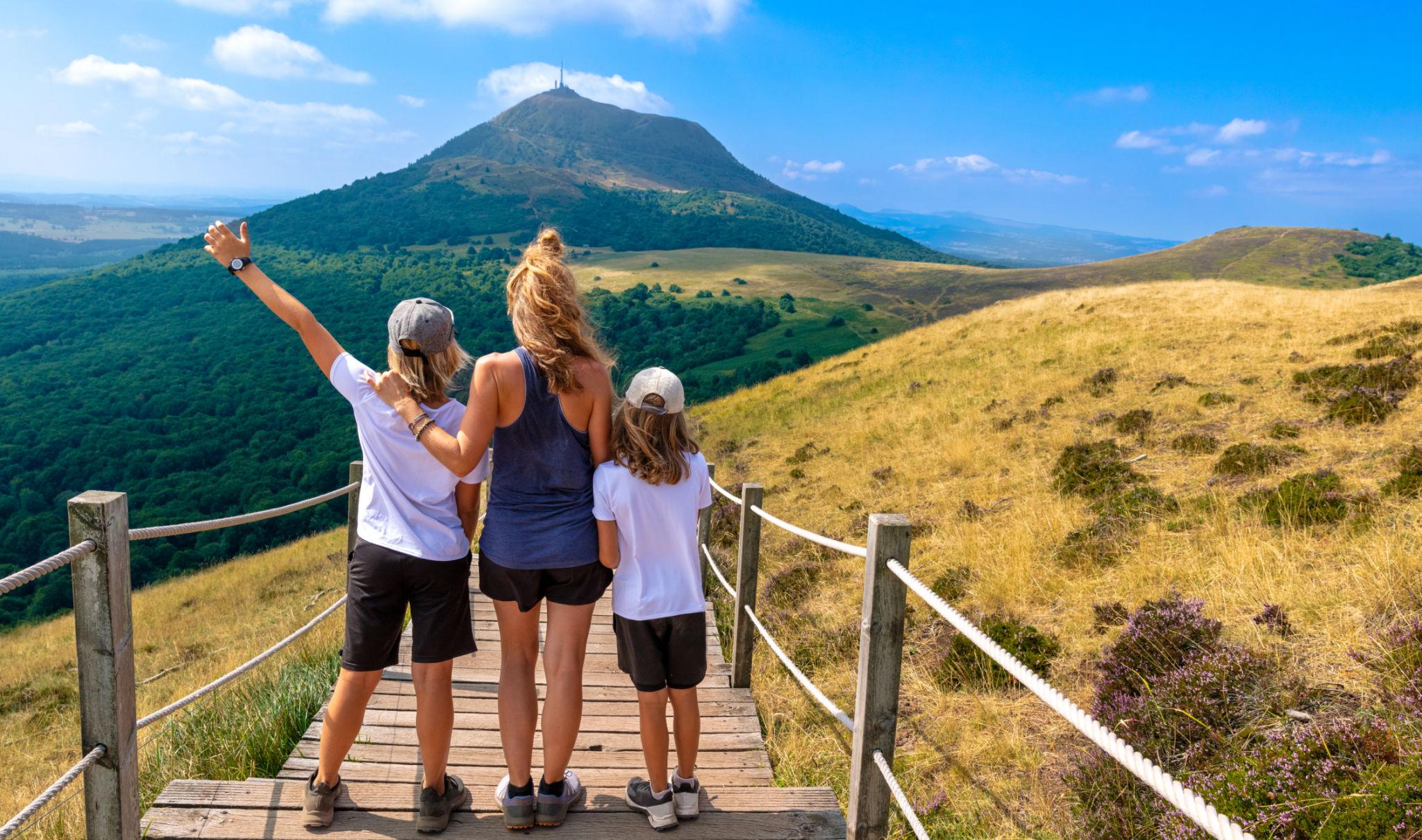
The Picos de Europa is one of the most impressive landscapes in northern Spain. Its rocky peaks, green valleys, pastures and traditional villages make this area an excellent choice for a nature-filled holiday with your dog.
You can explore the surroundings of places such as Cangas de Onís, Arenas de Cabrales and Poncebos, choosing walks that suit your companion’s fitness level.
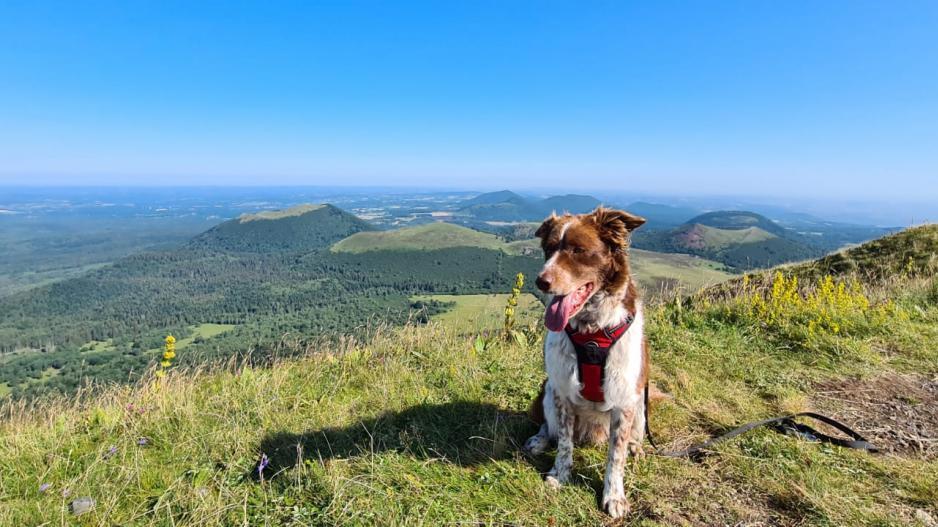
Not every mountain route is suitable for every dog. Steep climbs, rocky terrain, exposed sections and long hikes can be challenging, especially for older dogs or those unaccustomed to this type of exercise.
In protected natural areas, check the rules governing dogs and keep your companion under control. Livestock is common in the mountains, so it’s particularly important to prevent your dog from approaching or chasing farm animals.
Best for: Active dogs and owners who enjoy hiking, mountain scenery and small rural villages.
2. The Ruta del Cares: An Adventure to Assess Carefully
The famous Ruta del Cares crosses a spectacular gorge between Poncebos and Caín. With towering rock walls, paths carved into the mountainside and sweeping views over the gorge, it’s one of the best-known routes in the Picos de Europa.
However, you shouldn’t choose this hike based on its impressive photographs alone.
The route is long, includes exposed sections and features narrow paths alongside steep drops. It may not be suitable for nervous dogs, those unaccustomed to uneven terrain, dogs sensitive to heights or animals without the stamina for a prolonged hike.
Before considering taking your dog, check the current access rules, assess the terrain carefully and decide whether the route is genuinely safe for them. A shorter, more relaxed walk may be a much better choice.
Best for: Experienced hikers with dogs accustomed to demanding routes, provided current regulations and safety conditions allow it.
3. Covadonga and the Surrounding Countryside
The area around Covadonga combines mountain scenery, cultural heritage and rural paths. It can be an excellent starting point for exploring eastern Asturias with your dog.
Enjoy outdoor walks in the surrounding area, take in the scenery and visit nearby villages. However, don’t assume that every attraction allows pets. Religious buildings, visitor facilities and certain forms of transport may have their own restrictions.
The Lagos de Covadonga are particularly popular, but access arrangements and transport conditions can vary, especially during busy periods.
Before planning your visit, check the latest rules and confirm whether your dog can accompany you on the transport needed to reach the lakes.
Best for: Travellers looking to combine mountain scenery, countryside walks and visits to traditional villages.
4. Asturias’ Coastline: Beaches, Cliffs and Coastal Walks
The Asturian coastline is wonderfully varied, with sandy beaches, rocky coves, dramatic cliffs and vegetation-covered headlands. It’s an excellent setting to explore with your dog, particularly if you enjoy walking by the sea.
The main consideration is beach access: rules for dogs depend on the beach, the municipality and the time of year. Some beaches restrict dogs during the bathing season, while others allow them throughout the year or in designated areas.
Official Asturias tourism information provides details about beaches where animals are permitted. Check the information for the specific beach you want to visit and always follow local signage.
Rather than building your entire trip around a single beach, combine coastal walks with visits to nearby villages. This gives you more options if the weather changes or access restrictions apply.
Best for: Dogs that enjoy exploring new environments, walking by the sea and discovering coastal paths.
5. Small Villages and Rural Asturias
Some of the best moments of a trip with your dog happen away from the most famous attractions.
Asturias has numerous traditional villages where you can stroll along quiet streets, admire stone houses and enjoy the surrounding countryside. Many places also have cafés and restaurants with outdoor seating, although you should check whether dogs are welcome.
Explore the surroundings of Cangas de Onís, Cabrales and Llanes, using these towns and villages as bases for short walks and countryside excursions.
Before entering a restaurant, café or shop, check whether dogs are allowed. Rules vary between establishments, and permission to sit on an outdoor terrace doesn’t necessarily mean you can enter the indoor dining area with your pet.
Best for: Travellers who prefer shorter walks, peaceful surroundings and time to discover local food and everyday life.
Dog-Friendly Beaches in Asturias
There are beaches in Asturias where dogs are allowed, including some with year-round access. However, the rules aren’t the same throughout the region.
Official tourism information identifies several options for visitors travelling with pets, including Cambaredo, Cala Salencia, Playa de Quintana, Playa de Campiechos, Playón de Bayas/El Sablón and Rinconín or El Cervigón.
Use this list as a starting point, not as a guarantee of access on your travel dates. Always check the latest information for your chosen beach, including seasonal restrictions, authorised areas and municipal rules.
When visiting the beach with your dog:
- Bring fresh drinking water and a portable bowl.
- Avoid the hottest hours of the day, especially in summer.
- Check sea and tide conditions before approaching the water.
- Keep your dog away from dangerous currents, unstable rocks and cliff edges.
- Clean up after your dog and respect wildlife and other visitors.
- Never assume that a nearby beach follows the same rules as one you’ve already checked.
A walk by the sea can be one of the highlights of your trip, provided you choose a place suited to your dog and the conditions at the time.
Where to Stay in Asturias with Your Dog
Choosing the right accommodation can make a significant difference to your experience. Asturias offers plenty of options, from rural cottages to hotels and holiday apartments, but pet policies vary.
If you want to explore the outdoors, consider staying in a rural area or village with convenient access to the places you plan to visit. This can reduce driving time and make it easier to fit in walks at the beginning and end of the day.
Before booking, check:
- Whether dogs are welcome and whether there are size or breed restrictions.
- Whether an additional fee applies or there’s a limit on the number of pets per booking.
- Whether you can leave your dog alone in the room or property.
- Whether there’s a secure outdoor area, if that’s important for your dog.
- Whether suitable walking routes are available nearby.
- Whether dogs are allowed in communal areas and the breakfast room.
Don’t rely on the label “pet-friendly” alone. If any conditions are unclear, contact the accommodation directly.
Find your perfect stay: Click on Where to Stay in Asturias with Your Dog to find accommodation based on your plans and activities.
Essential Gear for a Dog-Friendly Trip
Being well prepared makes outings easier, especially when you’re alternating between mountains, villages and beaches.
Consider bringing the following essentials:
- A sturdy, fixed-length lead: Useful for keeping your dog under control on trails and in natural areas.
- A comfortable, well-fitted harness: A practical option for walks across varied terrain.
- A water bottle and portable bowl: Particularly important on longer hikes and warm days.
- Collapsible bowls: Space-saving and convenient for excursions.
- A travel bed or familiar blanket: Can help your dog feel more comfortable in unfamiliar accommodation.
- Poo bags: Essential for travelling responsibly.
- A dog first-aid kit: Useful for minor incidents, but not a substitute for veterinary care.
- A reflective collar or safety light: Practical for walks in low-light conditions.
- An absorbent or waterproof dog towel: Particularly useful after rain, muddy walks or beach play.
For future Digrexo affiliate recommendations, it’s worth prioritising products that address real needs when travelling with pets: durable walking equipment, lightweight bowls, car safety systems and compact accessories.
Always choose products suited to your dog’s size, needs and comfort.
Getting Around Asturias with Your Dog
Travelling by car can make it much easier to explore rural areas, reach trailheads and adapt your itinerary to changing weather conditions.
If you’re driving, use an appropriate restraint system or carrier and plan regular breaks. Never leave your dog alone in a parked vehicle in hot conditions.
Public transport, taxis and organised excursions may have different rules for animals. Check the conditions directly with the operator before travelling, especially if your dog is large or you need to use a specific service.
Avoid fitting too many destinations into one day. A mountain hike, a beach visit and several hours of driving may be too much for some dogs, particularly older ones.
A more relaxed itinerary usually creates a better experience for everyone.
Important Rules for Travelling with Your Dog
Before leaving home, prepare your dog for the trip and find out which rules apply to your route and destination.
When travelling in Spain, check the animal identification requirements, including microchipping, as well as the applicable regional and municipal rules. In protected natural areas, it’s particularly important to follow instructions about dogs and lead requirements.
If you’re travelling from another country, you may need to meet specific health and entry requirements. These depend on your country of origin and the circumstances of your trip.
For a more comprehensive explanation of documentation, vaccinations and preparing for trips with pets, read our guide Travelling with Your Dog. That article covers the general practicalities of travelling with a pet, while this one focuses on exploring Asturias.
Before departure, check the latest requirements with the relevant official authorities and any transport operators you plan to use.
Responsible Travel: Let Your Dog Enjoy the Holiday Too
A pet-friendly trip should be enjoyable for your dog as well as convenient for you.
Asturias’ natural landscapes include wildlife, livestock, protected habitats and terrain that can challenge even experienced hikers. A few simple habits can help protect your dog and the environment.
- Keep your dog on a lead whenever regulations require it and when livestock or wildlife are nearby.
- Give other walkers and animals plenty of space.
- Don’t allow your dog to chase wildlife or livestock.
- Carry water and take regular breaks.
- Adapt your plans to your dog’s age, health, stamina and temperament.
- Clean up after your dog, including on rural trails.
- Respect signs and access restrictions.
If you encounter livestock guardian dogs, stay calm, avoid running or shouting, keep your dog close to you and give the herd plenty of space. Follow local guidance, and don’t approach or attempt to feed the animals.
Sometimes, the best decision is to skip a demanding route and choose a more relaxed walk instead.
Plan Your Pet-Friendly Asturias Adventure
Asturias offers an extraordinary combination of mountains, lush countryside, traditional villages and coastal scenery. With a little planning, you can explore many of these landscapes with your dog while avoiding unsuitable activities and unnecessary journeys.
Choose a good base, check access rules before each visit and build your itinerary around experiences you can both enjoy. You don’t need to see the entire region in one trip: some of the best discoveries happen when you slow down and explore without rushing.
Before setting off, consult official tourism information to confirm the rules for beaches, natural areas and the attractions you plan to visit.
Travel note: Access rules, transport conditions, beach restrictions and trail conditions can change. Always check the latest official information before your visit.
Explore More
- Asturias: A Complete Guide to Spain’s Natural Paradise — Discover the region’s main landscapes and attractions.
- Picos de Europa, Asturias: Wild Mountains, Hidden Villages & Epic Landscapes — Plan a mountain escape.
- Ruta del Cares: The Ultimate Hiking Guide to Spain’s Divine Gorge — Learn about one of the region’s most famous routes before deciding whether it suits your plans.
- Lagos de Covadonga: What to See & How to Plan Your Visit — Explore one of Asturias’ best-known mountain destinations.
- The Best Beaches in Asturias for Nature Lovers: Wild Coastlines & Hidden Coves — Discover the coastline and its natural landscapes.
- Getting Around Asturias: Road Trips, Taxis & Public Transport — Plan your journeys around Asturias with tips on routes, transport options and getting to the places you want to explore.