Discover the Wild Side of Auvergne
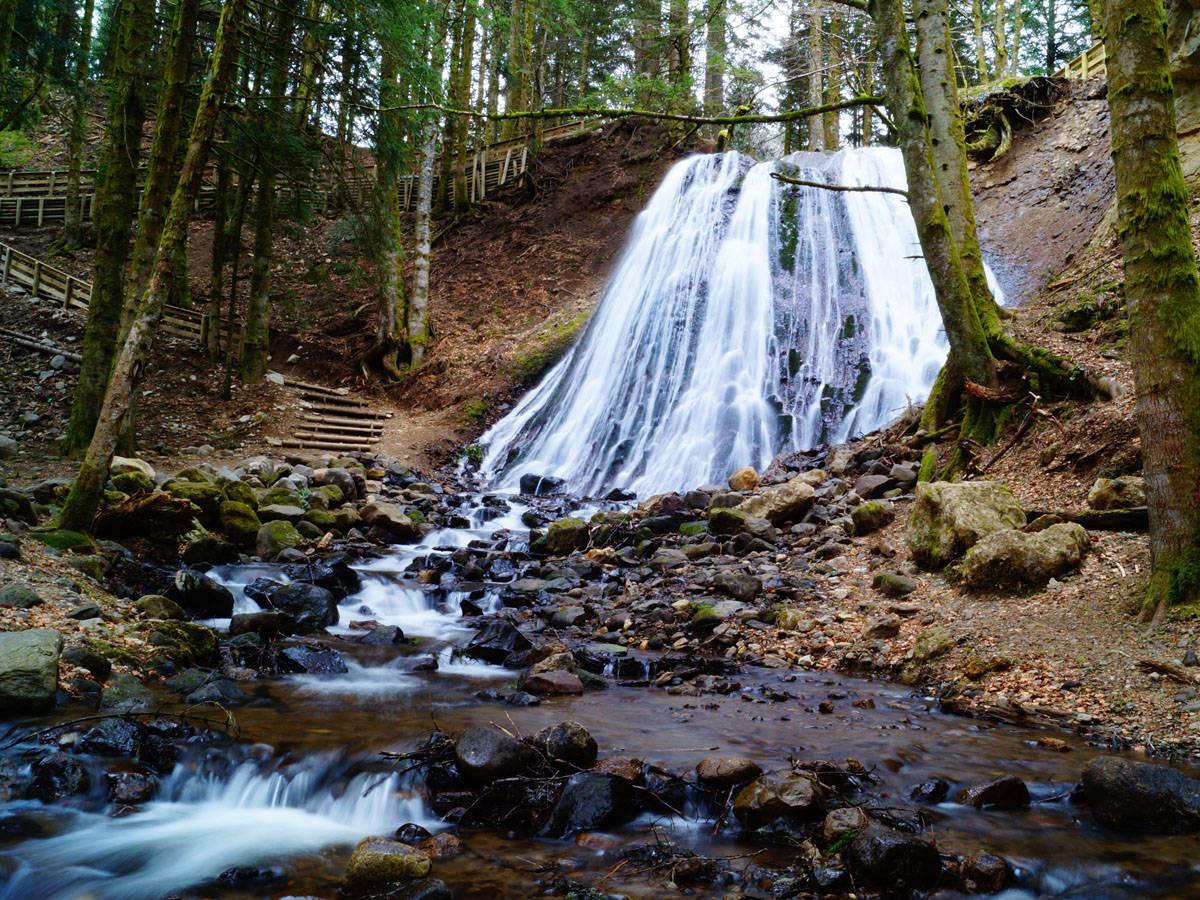
Imagine walking through a damp forest, hearing the sound of rushing water growing closer and suddenly discovering a waterfall hidden among volcanic rocks and lush vegetation. This is the kind of discovery that awaits you in Auvergne, a French region where nature reveals one of its wildest sides.
Known for its dormant volcanoes, crater lakes and green mountains, Auvergne is also home to some impressive waterfalls. Some are easily accessible via short trails, while others are hidden in valleys that invite you to embrace a little adventure.
If you enjoy hiking, nature photography and destinations away from the crowds, it is worth including some of these waterfalls in your itinerary. You will discover cascades plunging over basalt cliffs, moss-covered woodland corners and mountain landscapes that change dramatically with the seasons.
In this guide, you will discover seven waterfalls worth exploring, along with tips to help you plan your visits and make the most of Auvergne’s natural beauty.
1. Grande Cascade du Mont-Dore: The Spectacular Mountain Waterfall

Grande Cascade du Mont-Dore is one of the best-known waterfalls in the Sancy Massif. Standing approximately 30 metres tall, it tumbles down a rocky mountainside surrounded by vegetation, creating an impressive scene in the heart of the mountains.
The walk to the waterfall is part of the experience. As you make your way up the slope, you will encounter different viewpoints across the landscape before reaching the cascade, where the contrast between the rock, vegetation and rushing water creates a perfect setting for photography.
It is an excellent choice if you want to discover an impressive waterfall without planning a full-day expedition. However, do not underestimate the climb: the terrain can be challenging in places.
What makes this waterfall special:
- A waterfall approximately 30 metres high.
- Mountain scenery featuring rocky formations and lush vegetation.
- A route combining hiking with opportunities to observe nature.
- Excellent opportunities to photograph the waterfall and its surroundings.
Digrexo tip: Spring and the days following rainfall can bring a stronger flow of water. Wear footwear with good grip and avoid getting too close to wet rocks.
2. Cascade du Queureuilh: A Hidden Waterfall in a Volcanic Forest

If you are looking for somewhere with an almost enchanted atmosphere, Cascade du Queureuilh deserves a place on your itinerary.
Located near Le Mont-Dore, this waterfall flows over basalt formations created as ancient lava flows cooled. The volcanic rock, covered in moss in places, contrasts beautifully with the green vegetation and water winding through the forest.
The setting is particularly appealing if you enjoy exploring nature at an unhurried pace. Instead of an open landscape, you will find a more intimate scene, where the trees and rocky formations make the waterfall even more photogenic.
What you can do:
- Walk through the forest to reach the waterfall.
- Observe the volcanic rock formations.
- Photograph the water flowing among the vegetation.
- Combine your visit with a stop at nearby Cascade du Rossignolet.
This is a great option if you want to discover Auvergne’s volcanic landscape on a relatively short walk. Before setting off, check trail conditions and available access routes.
3. Cascade du Rossignolet: A Fairytale Waterfall in the Woods

Small, peaceful and surrounded by vegetation, Cascade du Rossignolet offers a different experience from Grande Cascade du Mont-Dore.
Here, the magic lies in the details: water flowing over the rock, moss covering parts of the terrain and woodland enveloping the path. It is the kind of place where you will want to slow down, take in the scenery and enjoy the silence.
Its proximity to Cascade du Queureuilh makes it easy to plan a walk that includes both waterfalls. This allows you to explore two different natural settings without dedicating an entire day to a single attraction.
Why you should visit:
- A peaceful atmosphere in the middle of the forest.
- An appealing setting for nature photography.
- The opportunity to visit two waterfalls on the same walk.
- An alternative to busier tourist attractions.
Digrexo tip: After rainfall, woodland paths can become very slippery. Avoid leaving the trails to find different photography angles, and respect the surrounding vegetation.
4. Cascades de Vaucoux: The Volcanic Waterfall Near Besse

Near Besse-et-Saint-Anastaise, Cascades de Vaucoux, also known as Cascades d’Anglard, are an excellent discovery for anyone exploring the southern part of the Sancy Massif.
Water flows down a volcanic rock face in a forested area, creating a natural scene that contrasts with the fields and open landscapes nearby.
With a drop of approximately 12 metres, this waterfall makes an interesting stop during a day spent exploring the region. Access is on foot, but it is worth checking the trail conditions beforehand.
What you can do:
- Walk through the surrounding woodland.
- Observe the waterfall and volcanic rock.
- Photograph the contrasts between water, stone and vegetation.
- Combine your visit with a stroll through Besse-et-Saint-Anastaise.
If you are exploring Auvergne’s lakes and mountains, consider adding this waterfall to your itinerary. It is another way to discover the region’s volcanic landscape.
5. Cascade de la Biche: A Wild Waterfall in a Glacial Valley

For a more adventurous experience, head to the Vallée de Chaudefour, a glacially shaped landscape in the Sancy Massif.
Cascade de la Biche lies within this mountainous valley, surrounded by imposing landforms and natural vegetation. Here, the hike itself is an important part of the experience: the scenery changes along the route, allowing you to observe the landscape’s diversity up close.
Unlike waterfalls that you can visit during a brief stop, this outing requires more planning. The duration and difficulty depend on the route you choose and the condition of the terrain.
The Vallée de Chaudefour is a national nature reserve, so it is essential to respect its conservation rules. Dogs are not permitted in the reserve, even on a lead.
Why the hike is worth considering:
- Beautiful mountain scenery.
- A natural environment where you can observe the geology and vegetation.
- A more immersive hiking experience.
- The opportunity to explore one of the Sancy Massif’s most iconic landscapes.
Digrexo tip: Bring water, snacks and clothing suitable for mountain conditions. Check trail conditions before setting off and follow the nature reserve’s guidance.
6. Cascade des Saliens: Discover Auvergne’s Volcanic Landscapes

Cascade des Saliens, in the Nébouzat area, is another option if you want to explore the connection between water and Auvergne’s volcanic origins.
In this region, ancient lava flows left behind rocky formations that are now part of the landscape. As water moves through this terrain, it creates striking contrasts between the dark rock surfaces, vegetation and flowing water.
The waterfall is an interesting option for travellers looking to discover places that are less well known internationally and explore natural areas beyond Le Mont-Dore.
What makes this waterfall interesting:
- Volcanic rock formations.
- A striking contrast between water and green surroundings.
- The opportunity to discover the rural area around Nébouzat.
- A different stop on a nature-focused itinerary through Auvergne.
Before planning your visit, check permitted access and local conditions. Not every waterfall has maintained trails or easily accessible viewing areas.
7. Cascade de la Beaume: A Dramatic Waterfall Above Dark Basalt Cliffs

To round off this list, consider extending your exploration to Cascade de la Beaume, located in Haute-Loire, which is also part of the Auvergne-Rhône-Alpes administrative region.
The Ourzie River plunges approximately 27 metres over a basalt cliff, creating an impressive waterfall surrounded by dark rock and vegetation.
The setting is particularly appealing if you enjoy geological landscapes and photography. The height of the waterfall and the contrast between stone and water make this a worthwhile stop if you are exploring this part of the region.
What you can do:
- Admire the waterfall from the available viewpoints.
- Photograph the cascade and rocky cliffs.
- Discover the surrounding geological landscape.
- Combine your visit with an itinerary through Haute-Loire.
This waterfall lies outside the central Sancy Massif area. It makes more sense to include it if you are also exploring the Le Puy-en-Velay area or other parts of Haute-Loire.
Which Waterfalls in Auvergne Should You Visit?
The right waterfall for you depends on how much time you have, your hiking experience and the type of landscape you want to discover.
| Waterfall | Best for |
|---|---|
| Grande Cascade du Mont-Dore | An impressive waterfall and a mountain hike |
| Cascade du Queureuilh | Volcanic formations and woodland |
| Cascade du Rossignolet | A peaceful, photogenic setting |
| Cascades de Vaucoux | A natural stop near Besse |
| Cascade de la Biche | Hiking through mountainous scenery |
| Cascade des Saliens | Discovering the region’s volcanic geology |
| Cascade de la Beaume | A waterfall surrounded by basalt cliffs |
If you only have one day to explore the Le Mont-Dore area, you could start with Cascade du Queureuilh and Cascade du Rossignolet. If you prefer a more demanding experience, allow extra time for mountain hikes and always check access conditions.
You do not need to visit every waterfall in a single trip. Choose the ones that best suit your pace and leave some room to discover other places along the way.
Best Time to Visit the Waterfalls in Auvergne
The best time to visit the waterfalls depends on rainfall, temperature and trail conditions. Each season offers a different experience.
Spring: Snowmelt and rainfall can increase the flow of some waterfalls. Vegetation begins to come alive, although some paths may be wet or muddy.
Summer: This is often a practical season for hiking and exploring the forests. However, prolonged dry spells can reduce the flow of some waterfalls.
Autumn: Forests take on golden and reddish hues, creating particularly beautiful landscapes for photography. Rain can make trails more slippery.
Winter: Some waterfalls may develop ice, creating striking and unusual scenery. However, cold temperatures, snow and ice can make access dangerous or lead to seasonal restrictions.
Regardless of the season, check the weather forecast before setting off and avoid exposed routes in adverse conditions.
Practical Tips for Exploring Auvergne’s Waterfalls
Planning your visit carefully will help you enjoy the scenery while reducing the risks associated with natural trails.
- Wear suitable footwear: Choose hiking boots or shoes with good grip.
- Check the weather forecast: Rain can change trail conditions and increase water flow.
- Bring water and food: Facilities may be limited in more remote areas.
- Keep a safe distance from the water: Rocks can be slippery even when they appear dry.
- Respect protected areas: Follow authorised trails and avoid disturbing wildlife.
- Check the rules for dogs: Access varies from one location to another, and some nature reserves do not allow animals.
- Plan your transport: Some waterfalls are easier to reach by car, and not all have direct public transport connections.
If you enjoy photography, bring protection for your phone or camera. Humidity and water droplets can make taking pictures near waterfalls more challenging.
Final Thoughts: Discover the Hidden Waterfalls of Auvergne
Auvergne is much more than dormant volcanoes, crater lakes and historic villages. Its waterfalls reveal a landscape where water flows through forests, tumbles over ancient lava formations and creates natural corners worth exploring.
From the impressive Grande Cascade du Mont-Dore to the woodland settings of Cascade du Queureuilh and Cascade du Rossignolet, each waterfall offers a different experience. You can choose a short walk, plan a mountain hike or include several stops on a wider journey through the region.
The secret is not to rush from one place to another. Choose routes that suit your pace, respect nature and leave room for the unexpected discoveries that make a trip memorable.
Save this guide for your next adventure in France and get ready to discover Auvergne’s wild side.